

1. Automatic Gate Installation Near Me in Altadena
Finding the right automatic gate installation service in Altadena, California, can help you improve property access, enhance privacy, and create a more attractive entrance. An automatic gate offers the convenience of opening and closing an entrance without manually moving a heavy gate. Whether you own a single-family home, manage a rental property, or operate a commercial facility, selecting a suitable gate system begins with understanding your property’s specific requirements.
Automatic gate installation involves more than choosing a gate that looks appealing. The entrance layout, driveway dimensions, available operating space, gate material, power supply, and desired access controls all influence the final design. A carefully planned installation considers these factors before equipment is selected or construction begins.
Homeowners in Altadena have different priorities when planning an automated entrance. Some want a decorative driveway gate that complements their home’s architectural style, while others prioritize convenient vehicle access and controlled entry. Businesses and multi-unit properties may require systems that accommodate frequent use, multiple authorized users, and additional access management features.
A professionally planned automatic gate system can combine the gate structure, opener, controls, safety equipment, and supporting hardware into one coordinated installation. Each component must be appropriate for the gate’s weight, movement, and expected operating conditions. Choosing compatible equipment helps avoid unnecessary strain and supports dependable operation.
The installation process generally begins with an assessment of the property and a discussion of the owner’s goals. The installer can evaluate the entrance, identify possible restrictions, explain available gate configurations, and outline the work required. Depending on the project, preparation may include installing support posts, arranging electrical connections, preparing a sliding track, or establishing a suitable foundation.
Local conditions also deserve attention. Driveway slopes, landscaping, drainage, vehicle clearance, and the location of nearby structures can influence whether a sliding or swinging gate is the better choice. Considering these details early can help prevent design problems later.
2. Residential Automatic Gate Installation for Altadena Homes
A residential automatic gate can transform the entrance to your property by combining convenient access with a design that complements your home. For homeowners in Altadena, an automated driveway gate can create a more organized entry point while helping manage who enters the property.
Residential gate installation begins with understanding how the entrance is used. A household with several vehicles may need a wider opening and a reliable remote access system. A property with limited driveway clearance may benefit from a sliding gate, while a spacious entrance could accommodate a swing gate. The right configuration depends on the layout and practical requirements of the site.
Appearance is another important consideration. Automatic driveway gates are available in a variety of styles, including contemporary horizontal designs, traditional ornamental patterns, solid privacy panels, and natural wood finishes. Metal gates can provide a clean architectural appearance, while wood can create a warmer visual impression. The selected design should complement the home without compromising the gate’s structural requirements.
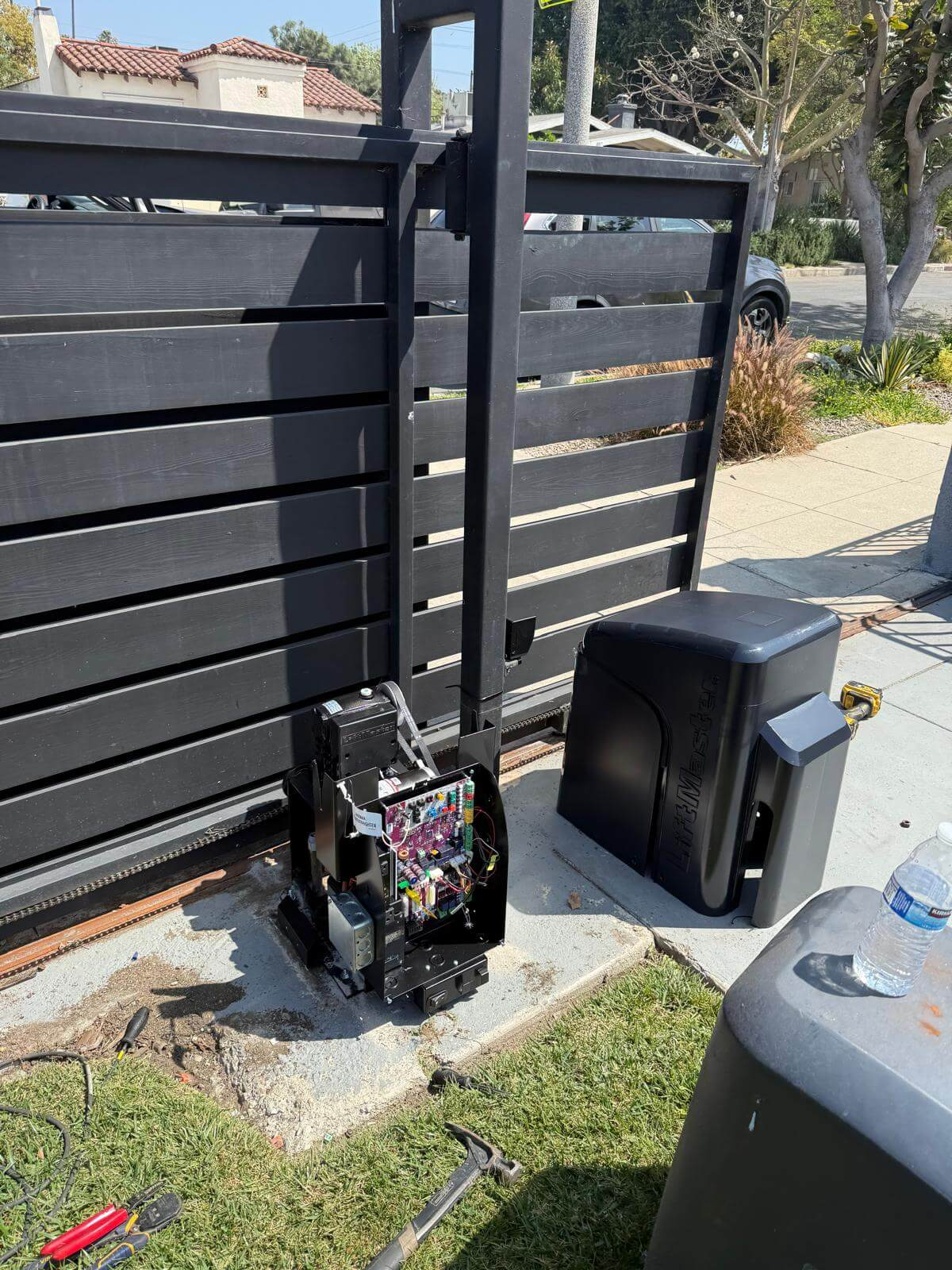
A residential installation may include an electric gate opener, remote controls, keypad entry, and suitable safety devices. Additional features can be considered according to the homeowner’s preferences and the compatibility of the selected system. Before installation, it is useful to determine who needs access, how visitors should enter, and whether the gate must accommodate delivery vehicles or service providers.
The condition of the driveway and surrounding structures also affects the installation plan. Posts must be adequately supported, the gate must have sufficient clearance, and the movement path should remain free of obstructions. Where an automated gate is installed on an existing entrance, the supporting structure may need improvements before the new equipment can be fitted.
A well-planned residential automatic gate installation should account for everyday use as well as future maintenance. Components should be accessible for inspection, and the controls should be straightforward for authorized users to operate.
Homeowners should also discuss backup access arrangements in the event of a power interruption. Depending on the system, manual release equipment or an alternative access method may be appropriate.
By evaluating design, functionality, and site conditions together, property owners can select an automatic gate that fits their lifestyle and the physical characteristics of their Altadena home.
3. Electric Driveway Gate Installation and Design Options
An electric driveway gate provides controlled vehicle access through a powered opening and closing mechanism. It can be installed at a private residence, gated driveway, shared property entrance, or other location where automated access is useful. Selecting the right electric driveway gate involves considering the gate structure, available space, opener type, and expected frequency of use.
Two common driveway gate configurations are sliding and swinging systems. A sliding gate travels horizontally along a designated path or uses a cantilever support arrangement. This option can be suitable where there is insufficient room for a gate to swing across the driveway. However, it requires adequate space alongside the entrance and a suitable path for movement.
Swing gates rotate around hinges and may be installed as a single panel or a pair of panels. They can complement traditional and modern property designs, but the opening direction, driveway slope, and available clearance must be evaluated carefully. A swing gate should not obstruct public sidewalks or create an unsafe movement path.
The electric opener must be selected according to the gate’s weight, dimensions, construction, and mechanical characteristics. An opener that is unsuitable for the gate may experience excessive strain or fail to provide dependable operation. The gate itself must also move freely before automation is installed.
Electric driveway gate installation can include wiring, mounting brackets, control equipment, remote access, and safety systems. Depending on the project, the installation may require electrical work, trenching, protective conduit, or other site preparation. These requirements should be discussed during the initial assessment.
The property’s power arrangements are particularly important. Some systems use a conventional electrical supply, while certain models can accommodate battery backup or solar-assisted operation. The availability of sunlight, expected usage, battery requirements, and equipment specifications influence whether these alternatives are practical.
An electric gate should also be designed around the people who will use it. A household may prefer remote controls, while a shared entrance may need keypad access or another method for managing authorized users.
For Altadena property owners, the most suitable driveway gate is not necessarily the largest or most elaborate model. It is the one that fits the entrance, operates within its design limits, and provides the right combination of convenience, appearance, and safety.
If you are researching automatic gate installation near me in Altadena, start by identifying the features that matter most to your property. A suitable system should balance appearance, functionality, safety, and long-term maintenance requirements while providing convenient access for everyday use.
4. Sliding Automatic Gate Installation in Altadena
Sliding automatic gates are often selected for entrances where a swinging gate would take up too much space. Instead of rotating into or away from the driveway, a sliding gate moves sideways to open the entrance. This design can be useful for properties with limited front clearance, certain sloped driveways, or vehicle entrances that need an unobstructed opening area.
Planning a sliding gate installation requires sufficient room for the gate to travel alongside the entrance. The available side space, fence layout, ground conditions, and location of nearby structures must be considered before a design is chosen.
Traditional tracked sliding gates move along a ground track supported by suitable rollers. The track must be installed and aligned correctly, and the surrounding area should allow for effective drainage and routine cleaning. Dirt, leaves, gravel, and other debris can interfere with movement if they accumulate along the travel path.
Cantilever gates operate differently. They use a support and roller assembly that allows the gate to travel without a continuous track across the vehicle opening. This design can be useful where ground conditions make a conventional track less suitable, although it generally requires additional space for the counterbalanced gate structure and appropriate supporting hardware.
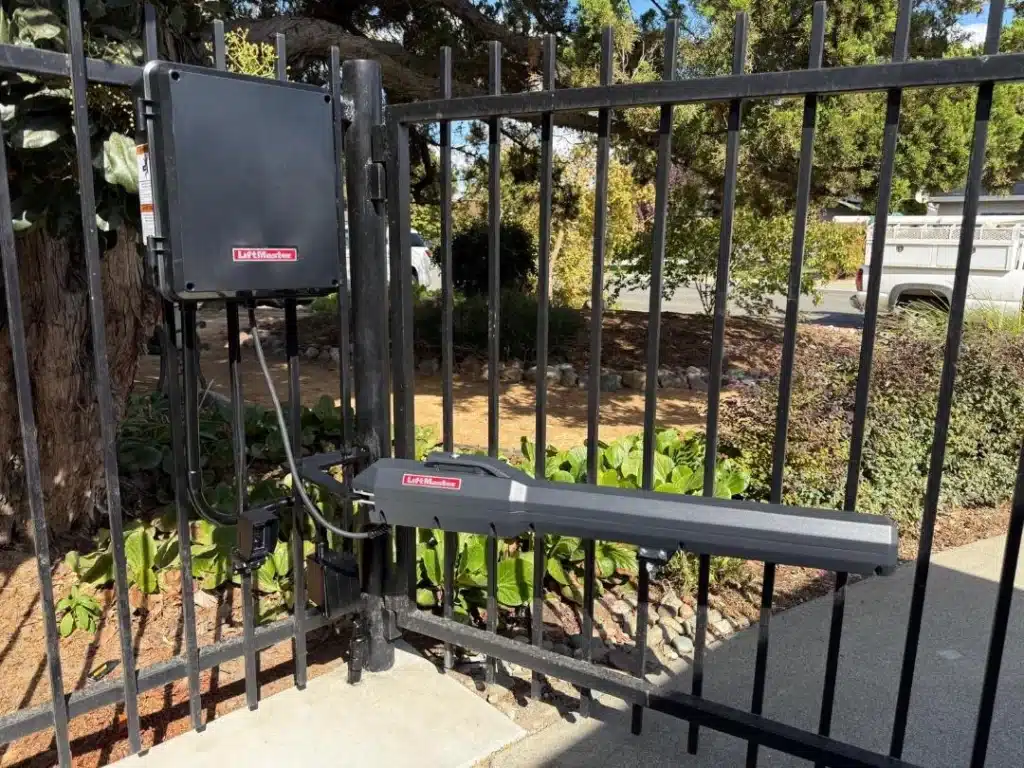
The automatic opener must be compatible with the gate’s dimensions, weight, and movement. Depending on the design, the system may use a motor and drive rack or another manufacturer-approved mechanism. Limit controls and safety equipment must be configured according to the selected model and installation requirements.
A sliding gate also requires stable supports and appropriate alignment. If the posts, foundation, track, or roller assembly are inadequate, the gate may move unevenly or place unnecessary strain on the opener. Addressing these structural considerations during installation helps support reliable operation.
For properties in Altadena, the installer should assess driveway access, fencing, landscaping, and the direction in which the gate will open. Vehicle turning space and pedestrian movement should be included in the design.
After installation, the system should be tested through its intended opening and closing cycles. The installer should also explain routine maintenance, safe operation, and any manual release procedures supplied with the equipment.
A properly designed sliding automatic gate can offer convenient vehicle access while making efficient use of available driveway space.
5. Swing Automatic Gate Installation for Driveways and Entrances
Swing automatic gates offer a familiar appearance and can complement a wide range of residential and commercial properties. They operate by rotating around hinges, allowing the gate panel to move across the entrance. Depending on the opening width and design, a swing gate can use a single panel or two panels that meet near the center.
The first step in planning a swing gate installation is evaluating the opening area. The installer must determine whether the gate can swing safely without contacting vehicles, landscaping, walls, pedestrians, or other structures. Driveway slope is another important factor because a gate that opens across uneven ground may require a different configuration or additional site preparation.
Single swing gates can be appropriate for smaller openings, while double swing gates can accommodate wider entrances. The selection depends on gate weight, post locations, available clearance, and the opener system. Both configurations require suitable hinges, stable supports, and a gate structure designed for its intended use.
Automatic swing gate openers may use articulated arms, linear actuators, or other compatible mechanisms. The appropriate equipment depends on the gate’s dimensions, construction, hinge geometry, and operating conditions. Proper mounting locations are essential because an incorrectly positioned opener can create excessive force or interfere with movement.
A swing gate must move smoothly before automation is connected. Binding hinges, weak posts, or an uneven gate frame should be addressed during installation rather than left for the opener to overcome. This helps reduce unnecessary mechanical strain and supports consistent operation.
Safety equipment should be incorporated according to the system’s design and applicable requirements. Depending on the configuration, this may include protective sensors, monitored safety inputs, or other devices intended to reduce the risk of injury or property damage. These features must be installed and tested appropriately.
Material selection also influences the design. Steel, aluminum, and wood gates have different weights, maintenance needs, and visual characteristics. The frame and hinges should be suitable for the selected material and gate size.
6. Custom Automatic Gate Design and Material Selection
A custom automatic gate allows property owners to choose an entrance that reflects their preferences while accommodating the physical requirements of the site. Rather than selecting a standard design without considering the surroundings, a custom project can account for driveway width, fence style, architectural details, privacy preferences, and access needs.
Material selection is one of the most important decisions. Steel gates are often chosen for their strength and versatility. They can be fabricated into simple contemporary panels, decorative patterns, or more elaborate entrance designs. Their weight, finish, and exposure to moisture should be considered when choosing the gate structure and maintenance plan.
Aluminum gates offer another option for homeowners who want a metal design with a comparatively low weight. Reduced weight can be helpful for certain automated configurations, but the gate must still be engineered and supported appropriately. The material’s construction and intended application determine which designs are suitable.
Wood gates can provide natural texture and visual warmth. They are available in a variety of panel arrangements, from open decorative patterns to more private designs. Wood may change dimension over time as moisture conditions vary, so the frame, finish, hinges, and opener should accommodate the selected gate’s characteristics.
Some projects combine materials to create a distinctive entrance. Metal frames with wood infill, for example, can bring together different textures and visual styles. However, the complete assembly must be considered when calculating weight and selecting operating equipment.
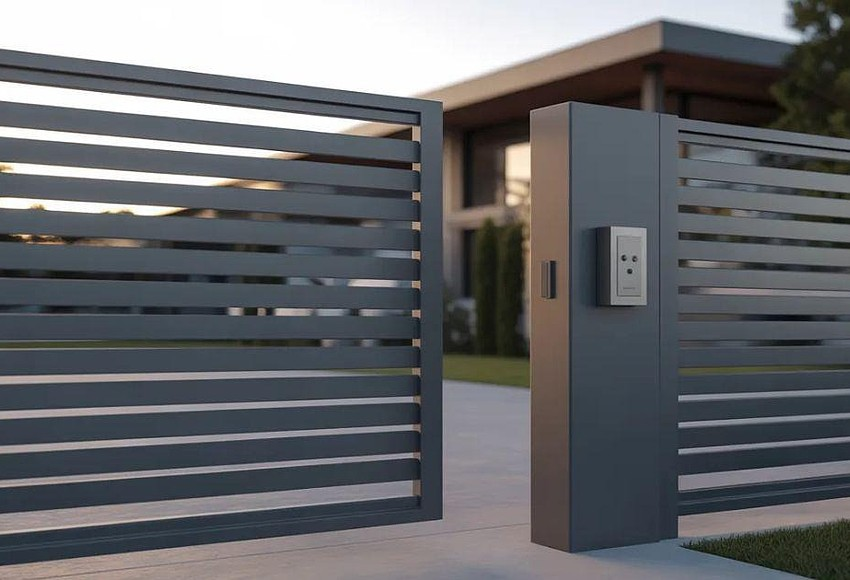
Design decisions should also account for visibility and ventilation. Solid panels may provide greater visual privacy, while open designs allow more visibility through the entrance. Local conditions, wind exposure, structural design, and applicable requirements may influence which option is appropriate.
Decorative elements should not interfere with the movement path, safety equipment, or access controls. Sharp projections, loose panels, and poorly positioned hardware can create avoidable hazards or maintenance concerns.
Color and finish can help connect the gate with nearby fencing, exterior trim, landscaping, and other architectural features. The chosen finish should be suitable for outdoor exposure and maintained according to the manufacturer’s recommendations.
For an automatic gate installation project in Altadena, a thoughtful design balances appearance with practical performance. The most successful custom gate is one that suits the property, works with the chosen automation system, and can be maintained throughout its useful life.
7. Automatic Gate Openers, Motors, and Control Systems
The automatic opener is the equipment responsible for moving a powered gate. Selecting the correct opener is essential because different gate designs require different movement mechanisms, mounting arrangements, and operating capacities. The opener must be compatible with the gate and installed according to the manufacturer’s specifications.
Sliding gates commonly use a motor-driven mechanism that moves the gate along its designated path. Swing gates typically use arms or actuators that rotate the panels around their hinges. Other gate designs may require specialized equipment, so the selection should follow the characteristics of the actual installation rather than a general assumption.
A motor’s suitability depends on more than its advertised capacity. Gate weight, length, friction, operating frequency, environmental exposure, and the condition of the supporting structure all influence performance. An appropriately selected opener should operate within its intended limits without being forced to compensate for a poorly aligned gate.
The control system determines how the gate receives and processes opening commands. Common access methods include remote transmitters, keypads, intercom systems, and compatible smart access devices. The best choice depends on who needs access and how the property is used.
A private driveway may only need remote controls and a secure manual release arrangement. A shared residential entrance may require multiple authorized users, while a commercial facility could benefit from a more structured access control system.
Modern systems may offer features such as programmable opening limits, status indicators, automatic closing options, and integration with compatible access equipment. The availability of these functions varies by model. Features should be selected based on actual requirements rather than added without considering their usefulness.
Electrical connections must be completed safely and in accordance with applicable requirements. Wiring should be protected from damage, and outdoor components should be suitable for their environment. Where a new circuit or other electrical work is required, an appropriately qualified professional should handle it.
After installation, the opener and controls should be tested together. The gate should respond correctly to authorized commands, stop at its intended limits, and retain its required protective functions.
For Altadena property owners, a properly matched motor and control system can make everyday gate operation easier while helping support consistent performance. Equipment selection, sound installation practices, and appropriate maintenance all contribute to the long-term usability of an automated entrance.
For Altadena homeowners, swing automatic gate installation can provide an attractive entrance when the property has sufficient clearance and appropriate support structures. Careful planning ensures that the gate’s movement, appearance, and automated controls work together as intended.
8. Smart Automatic Gate Installation and Convenient Access
Smart access technology can add flexibility to an automatic gate system by allowing compatible devices to manage entry through a connected interface. Depending on the selected equipment, users may be able to operate the gate through a smartphone, issue access permissions, or receive information about system activity.
For homeowners in Altadena, smart gate access can be useful when household members arrive at different times or when visitors and service providers need authorized entry. Instead of relying exclusively on physical remote controls, an appropriately configured system may provide additional ways to manage access.
Compatibility is an important consideration. Not every automatic gate opener supports smartphone control, and some systems require a separate controller or approved integration device. Before purchasing additional equipment, property owners should confirm that it works with their existing or planned opener.
Connectivity requirements vary. Certain systems depend on a reliable home network, while others use different communication methods. The location of the gate, distance from the router, available power, and environmental conditions can affect whether a connected solution is practical.
Security should be part of the planning process. Access credentials should be managed carefully, unnecessary user permissions should be removed, and available software or firmware updates should be applied according to the manufacturer’s guidance. A smart gate should not be treated as secure simply because it can be controlled through a phone.
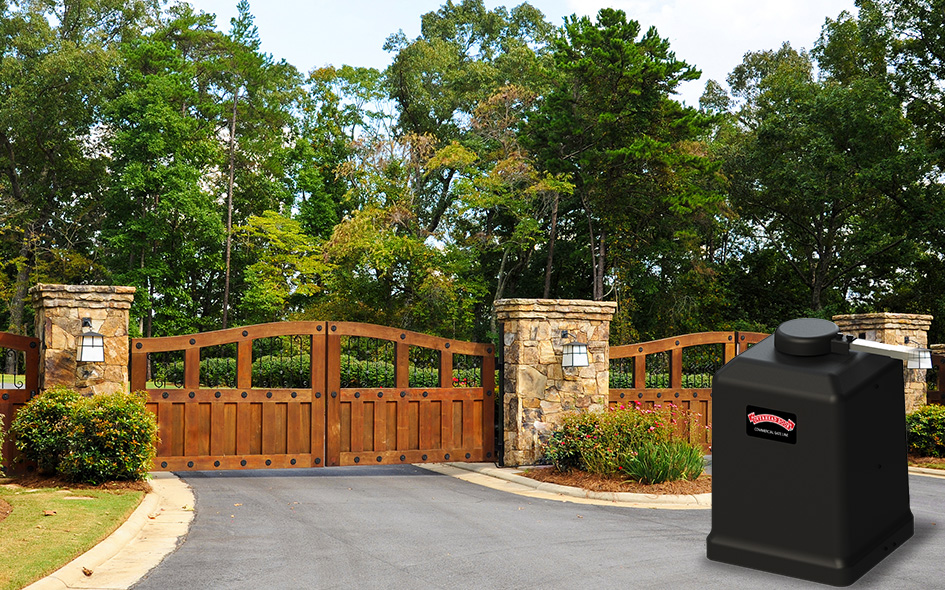
Different users may need different permissions. For example, a homeowner might manage permanent household access while providing temporary access to a visitor when supported by the system. The available functions depend on the equipment and service platform.
Smart controls should complement, rather than replace, the gate’s essential safety features. The gate still needs suitable protective devices, appropriate mechanical installation, and reliable operation during ordinary use. Remote commands should never encourage users to close a gate without considering people, vehicles, or objects in its path.
It is also important to plan for connectivity interruptions and power failures. Depending on the selected system, manual release equipment or another access method may be necessary.
9. Automatic Gate Safety Features and Professional Installation
Safety should be considered from the beginning of an automatic gate installation project. A powered gate is a moving piece of equipment with the potential to create crushing, impact, and entrapment hazards if its design, installation, or operation is unsuitable. Proper planning helps reduce these risks and supports dependable everyday use.
The first safety consideration is the gate’s movement path. Installers should identify locations where the moving panel could contact vehicles, pedestrians, walls, or other objects. Pinch points around hinges, rollers, posts, and moving mechanisms require particular attention.
Protective devices vary according to the gate configuration and opener. These may include photoelectric sensors, monitored safety edges, force-related protective functions, or other equipment specified for the system. The correct arrangement depends on the installation, applicable standards, and manufacturer instructions.
Safety devices must be installed at suitable locations and tested after the system is assembled. A sensor that is incorrectly aligned, obstructed, disconnected, or incompatible with the opener may not provide the intended protection. Protective features should never be bypassed merely to make a gate operate.
The gate’s structural condition is equally important. Posts, hinges, tracks, rollers, brackets, and foundations must be appropriate for the loads involved. A gate that is unstable or poorly supported may create hazards even when the electrical controls function correctly.
Manual release arrangements should also be considered. Depending on the opener design, a manual release may allow the gate to be moved during a power interruption or equipment fault. Users should understand the manufacturer’s procedure and know when it is safe to use.
Children should be kept away from automatic gates and their moving components. Remote controls should be stored securely, and users should avoid allowing children to operate the gate without appropriate supervision. No one should stand, walk, or drive through the gate’s path while it is moving.
Installation and testing should follow the equipment manufacturer’s instructions and applicable local requirements. Depending on the project, additional considerations may include electrical codes, permits, emergency access, and rules governing entrances near public sidewalks or streets.
Property owners should arrange inspection if the gate begins moving unpredictably, fails a safety test, or develops structural damage. Until a hazardous problem has been addressed, use of the affected gate may need to be suspended.
For automatic gate installation in Altadena, safety-focused planning is an essential part of selecting equipment, completing the installation, and explaining correct operation to the property owner.
10. Automatic Gate Installation for Commercial Properties
Commercial properties often require gate systems that accommodate frequent vehicle movement and organized access management. Business entrances, apartment communities, parking facilities, storage yards, and private commercial developments can have very different requirements, so the installation should be planned around the specific use of the property.
A commercial gate project begins with evaluating the entrance dimensions, expected traffic, available space, and number of authorized users. The installer should also consider vehicle sizes, delivery access, pedestrian routes, and the consequences of an entrance being unavailable.
Sliding gates are frequently considered for commercial entrances where the available layout supports horizontal movement. Swing gates may be suitable for other sites when sufficient clearance is available. High-traffic installations require equipment selected for the expected operating frequency and the gate’s mechanical characteristics.
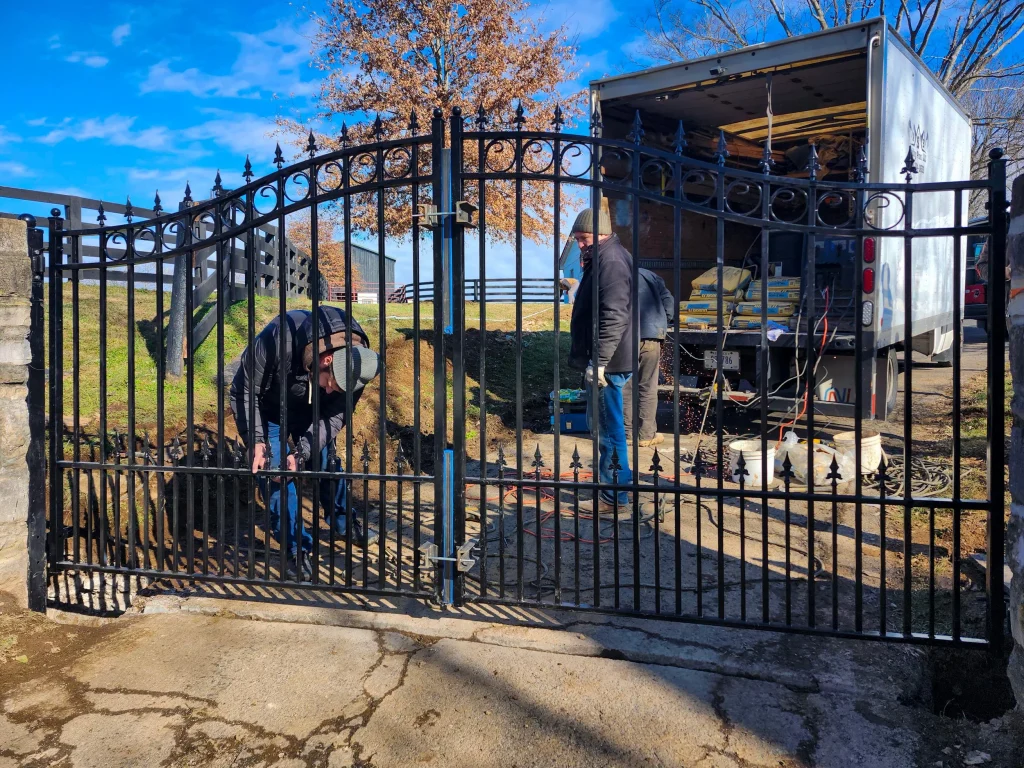
Access control is another major consideration. A commercial entrance may use keypads, remote transmitters, card readers, intercom systems, or compatible vehicle access technologies. The appropriate arrangement depends on the property’s security procedures and the number of people who need entry.
For multi-tenant buildings, access permissions may need to be managed for residents, staff, contractors, and visitors. Businesses may also need a procedure for issuing credentials, removing access when it is no longer required, and handling lost remotes or compromised codes.
Commercial installations should account for emergency access and safe vehicle movement. The gate must not create unnecessary congestion or obstruct routes needed by authorized emergency personnel. Where applicable, the design should be reviewed against relevant building, fire, electrical, and access requirements.
Durability and maintainability should also influence equipment selection. A system used throughout the day may need a different opener and maintenance schedule from a gate operated only occasionally. Choosing equipment according to its intended workload can help reduce unnecessary wear.
For property managers, installation planning is an opportunity to establish maintenance responsibilities and document the operating procedures. Users should understand how to open the gate, whom to contact when it malfunctions, and what steps to take if a safety concern arises.
Commercial automatic gate installation in Altadena should combine appropriate mechanical equipment, dependable controls, practical access management, and a clear understanding of the site’s daily operations. A well-planned system can help organize property access while supporting the needs of employees, residents, visitors, and deliveries.
11. Automatic Gate Replacement and Upgrading Existing Entrances
Replacing an outdated gate can be an opportunity to improve the entrance’s appearance, operating convenience, and access management. However, not every existing gate needs complete replacement. The right decision depends on the condition of the gate structure, support posts, hinges or tracks, opener, and associated controls.
Some properties have a sound gate frame but an opener that no longer operates reliably. In such cases, a compatible automation upgrade may be worth evaluating. Other entrances have structural damage, severe corrosion, deteriorating wood, or inadequate support arrangements that make more extensive replacement appropriate.
Before installing new equipment on an existing gate, the structure should be inspected for alignment, stability, and ease of movement. An opener should not be installed on a gate that binds or places excessive strain on its hinges, rollers, or supporting posts.
Older automatic gate systems may also lack features available in newer equipment. Depending on the installation, an upgrade may provide improved control options, compatible access technology, or updated safety equipment. Any replacement should be evaluated for compatibility with the gate and the requirements of the property.
Property owners should consider the total scope of the project rather than focusing only on the price of the opener or gate panel. Installation may involve new brackets, support structures, electrical connections, access controls, safety devices, or surface repairs.
A replacement project can also provide an opportunity to change the gate configuration. For example, a property owner may want to replace a swing gate with a sliding system because of driveway clearance. Such a change requires sufficient space, suitable ground conditions, and a revised installation plan.
The appearance of the new entrance should complement the existing fence and building design. Material, finish, panel arrangement, and gate height all influence the result. Practical considerations such as visibility, maintenance, and wind exposure should be reviewed alongside appearance.
For Altadena property owners, comparing repair and replacement options can help determine which approach offers the most suitable long-term solution. A clear assessment should explain the condition of the existing equipment, the work required, and any limitations that remain after the proposed repair.
An appropriately planned upgrade can improve convenience and help bring an older entrance in line with current property requirements, provided that the selected equipment is suitable for the installation.
When planning automatic gate installation in Altadena, discuss whether smart control offers meaningful benefits for your property. A compatible system can improve convenience and access management when it is selected carefully, configured securely, and maintained properly.
12. Automatic Gate Installation Costs and Project Planning
The cost of automatic gate installation in Altadena depends on several factors, including the gate’s size, material, configuration, opener type, access controls, and amount of site preparation required. Because every entrance has different characteristics, an accurate estimate should be based on an assessment of the property rather than a single generic price.
Gate materials influence the overall budget. A simple prefabricated gate may require a different investment from a custom-fabricated design with decorative details or specialized finishes. Larger and heavier gates can also require stronger supports and more substantial operating equipment.
The choice between sliding and swing configurations affects installation requirements. A sliding gate may need a suitable travel area, track preparation, or a cantilever support assembly. A swing gate may require adequate clearance and appropriately positioned hinges and posts. Existing site conditions can make one configuration more practical or economical than another.
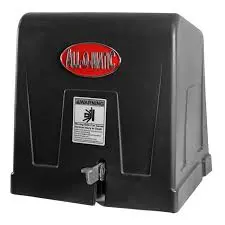
Automation equipment is another cost consideration. The opener must be matched to the gate, while additional features such as remote controls, keypads, intercoms, and smart access devices can affect the final price. The number of users and the desired access arrangements should be established before the system is selected.
Electrical work and site preparation may also contribute to the project cost. Depending on the property, installation may require wiring, conduit, trenching, foundations, new posts, drainage improvements, or removal of an existing gate. Permit or inspection requirements should be verified where applicable.
When requesting an estimate, ask for a breakdown of the proposed work. It can be helpful to understand the cost of the gate, opener, hardware, electrical components, installation labor, and any additional construction. Clarify whether the estimate includes testing, user instructions, cleanup, and applicable warranties.
It is also worth asking about ongoing maintenance and replacement parts. A lower initial price does not necessarily represent the best overall value if the equipment is unsuitable for the workload or difficult to maintain.
Property owners should compare estimates based on the scope of work and equipment specifications, not simply the final number. A clearly explained proposal makes it easier to identify differences between competing installation options.
13. Preparing Your Altadena Property for Automatic Gate Installation
Preparing the property before installation can help the project proceed more efficiently and reduce unexpected complications. Although the exact requirements depend on the gate design, several site conditions should be reviewed before materials and equipment are ordered.
Begin with the entrance dimensions. The opening width, height restrictions, driveway angle, and available side clearance all influence gate selection. Measurements should account for the space needed by the gate as it moves, not only the width of the opening when closed.
Ground conditions are also important. Posts and support structures need suitable foundations, while sliding gates require an appropriate travel path. Uneven ground, drainage issues, buried utilities, and existing concrete can affect the installation plan.
The surrounding landscape should be considered. Trees, shrubs, irrigation lines, decorative walls, and lighting fixtures may interfere with the gate’s movement or access to equipment. Landscaping adjustments may be needed to provide a clear operating area.
Electrical arrangements should be discussed before work begins. The selected opener may require a dedicated power supply or other electrical provisions, depending on its specifications. Any required electrical work should be completed by an appropriately qualified professional and in accordance with applicable requirements.
Property owners should also consider how vehicles will approach and wait at the entrance. The gate should be positioned so that normal operation does not create unnecessary conflicts with the street, sidewalk, or neighboring access points. Applicable local requirements should be checked before finalizing the design.
For shared properties, advance communication can help reduce disruption. Residents, employees, or tenants may need information about temporary access arrangements while the installation is underway. Contractors should also understand any site access restrictions and working-hour requirements.
If an existing gate is being removed, determine how its materials and hardware will be handled. The installer should clarify whether removal and disposal are included in the project estimate.
A pre-installation assessment provides an opportunity to discuss design preferences, access controls, safety features, and maintenance expectations. It can also reveal practical issues before they become costly changes during construction.
For automatic gate installation in Altadena, careful preparation supports a better fit between the selected system and the property. Taking the time to evaluate dimensions, foundations, electrical needs, and access arrangements helps establish a more reliable foundation for the finished installation.
14. Automatic Gate Maintenance After Installation
Once an automatic gate has been installed, regular maintenance helps preserve its operation and provides an opportunity to identify developing problems. Maintenance needs vary according to the gate design, operating frequency, environment, and manufacturer’s recommendations.
A basic visual inspection can reveal changes that deserve attention. Look for loose hardware, visible corrosion, damaged panels, unusual gaps, or changes in the gate’s alignment. If the gate begins dragging, vibrating, or moving unevenly, the cause should be investigated rather than ignored.
Sliding gates need a clear and functional travel path. Where a track is used, debris should be removed in accordance with the manufacturer’s maintenance instructions. Rollers, guides, and related components should be inspected for signs of wear or damage. Cantilever systems require attention to their specific support and roller assemblies.
Swing gates should be checked for changes in hinge movement, post stability, and panel alignment. A gate that begins to sag may be placing additional stress on the opener. The structural cause should be corrected rather than relying on adjustments to the automation system alone.
Automatic openers should be maintained according to their documentation. Lubrication, inspection intervals, and component replacement requirements differ between models. Using unsuitable lubricants or changing settings without understanding their purpose can interfere with operation.
Safety features also need attention. Protective sensors and other required devices should be checked using the manufacturer’s approved procedures. If a safety function does not respond correctly, the gate should be assessed promptly, and its use may need to be suspended until the problem is resolved.
Weather exposure can affect finishes, electrical enclosures, and moving parts. Suitable cleaning and protective treatments can help preserve the gate’s appearance, but the products used should be compatible with the selected materials.
It is useful to keep a maintenance record showing inspection dates, repairs, replaced components, and recurring symptoms. These notes can help a service provider identify patterns and recommend appropriate maintenance intervals.
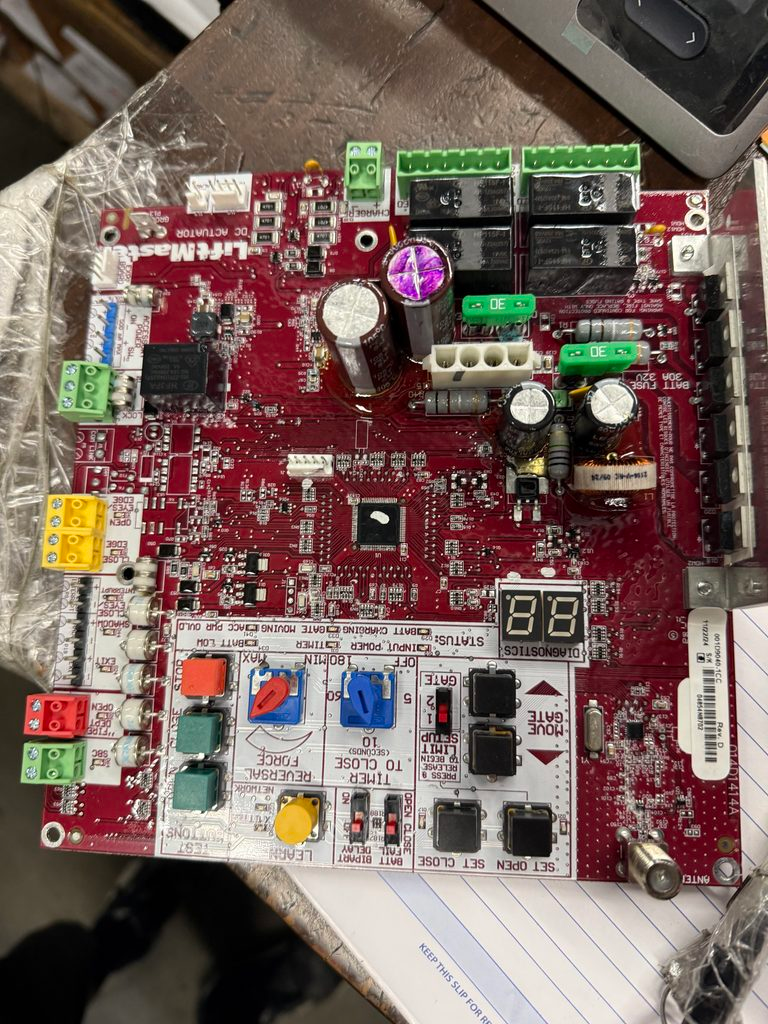
Property owners should avoid repairing motors, control boards, or energized wiring without the necessary qualifications. Automatic gates combine moving mechanical parts and electrical equipment, so some work requires professional attention.
For Altadena homes and businesses, a consistent maintenance plan can help support safe operation, reduce avoidable interruptions, and protect the investment made in the gate system.
15. Schedule Automatic Gate Installation in Altadena, California
Choosing an automatic gate is an investment in the everyday functionality and appearance of your property. Whether you are planning a new driveway entrance or replacing an older gate, the right installation begins with a clear understanding of your goals and the conditions at the site.
Homeowners may prioritize convenient vehicle access, privacy, and a gate design that complements the property. Commercial clients may place greater emphasis on access management, frequent operation, and the needs of employees, visitors, or deliveries. A suitable installation should account for these differences from the beginning.
The first step is to arrange a consultation or site assessment with a qualified gate installation provider. During this discussion, explain the type of entrance, the approximate opening dimensions, whether electricity is available, and the features you would like to include. Photographs of the entrance can also help communicate the layout before an onsite visit.
Ask the installer to explain the available gate configurations and why a particular design is suitable. A sliding gate and a swing gate have different space requirements, while materials and opener systems vary in weight, maintenance needs, and functionality. Understanding these differences helps you make a more informed decision.
The installation proposal should identify the equipment, preparation work, expected project stages, and any additional requirements. Confirm which components are included, how changes will be handled, and whether applicable permits or inspections are needed.
Before the project is considered complete, the installed system should be tested according to the manufacturer’s instructions. The owner should receive guidance on normal operation, access controls, manual release procedures, and recommended maintenance. Any questions about the equipment should be addressed before relying on the gate for daily access.
If you are searching for automatic gate installation near Altadena, choose a provider who can clearly explain the design, installation process, and responsibilities involved. Accurate information about service coverage, scheduling, equipment specifications, and warranty terms will help you evaluate your options.
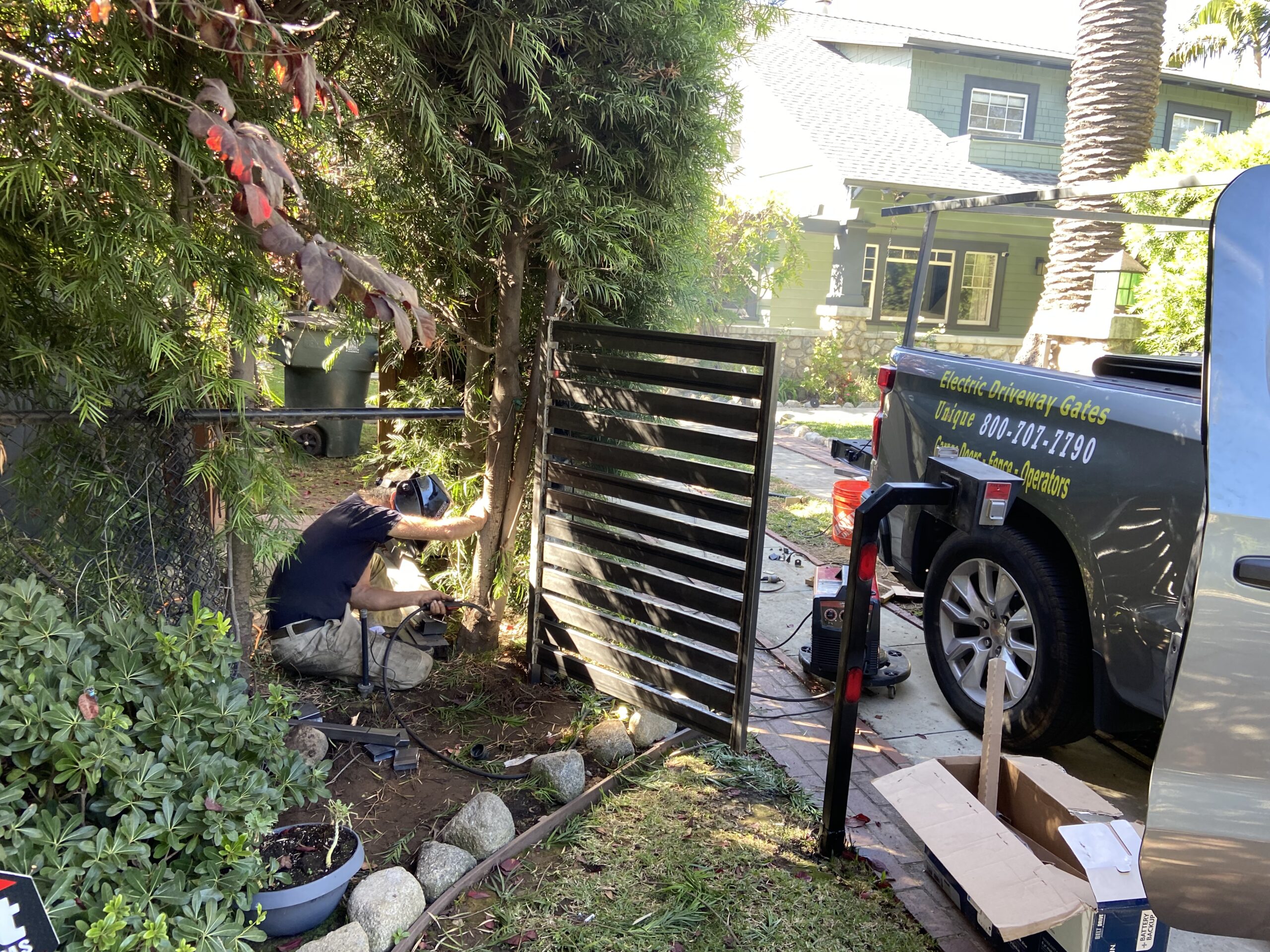
A thoughtfully designed automated entrance can provide convenient access while complementing the surrounding property. By considering appearance, space, control systems, safety, and ongoing maintenance together, you can select a solution that serves your property’s needs.
Careful planning can help keep an automatic gate project within budget while ensuring that important requirements, including structural support and safety equipment, are not overlooked.
Call 818-511-1853
